Key nutrients by trimester
Folate, iron, iodine, choline and DHA: what matters and when.
[Author name, credentials] · [Date] · Reviewed by [registered dietitian]
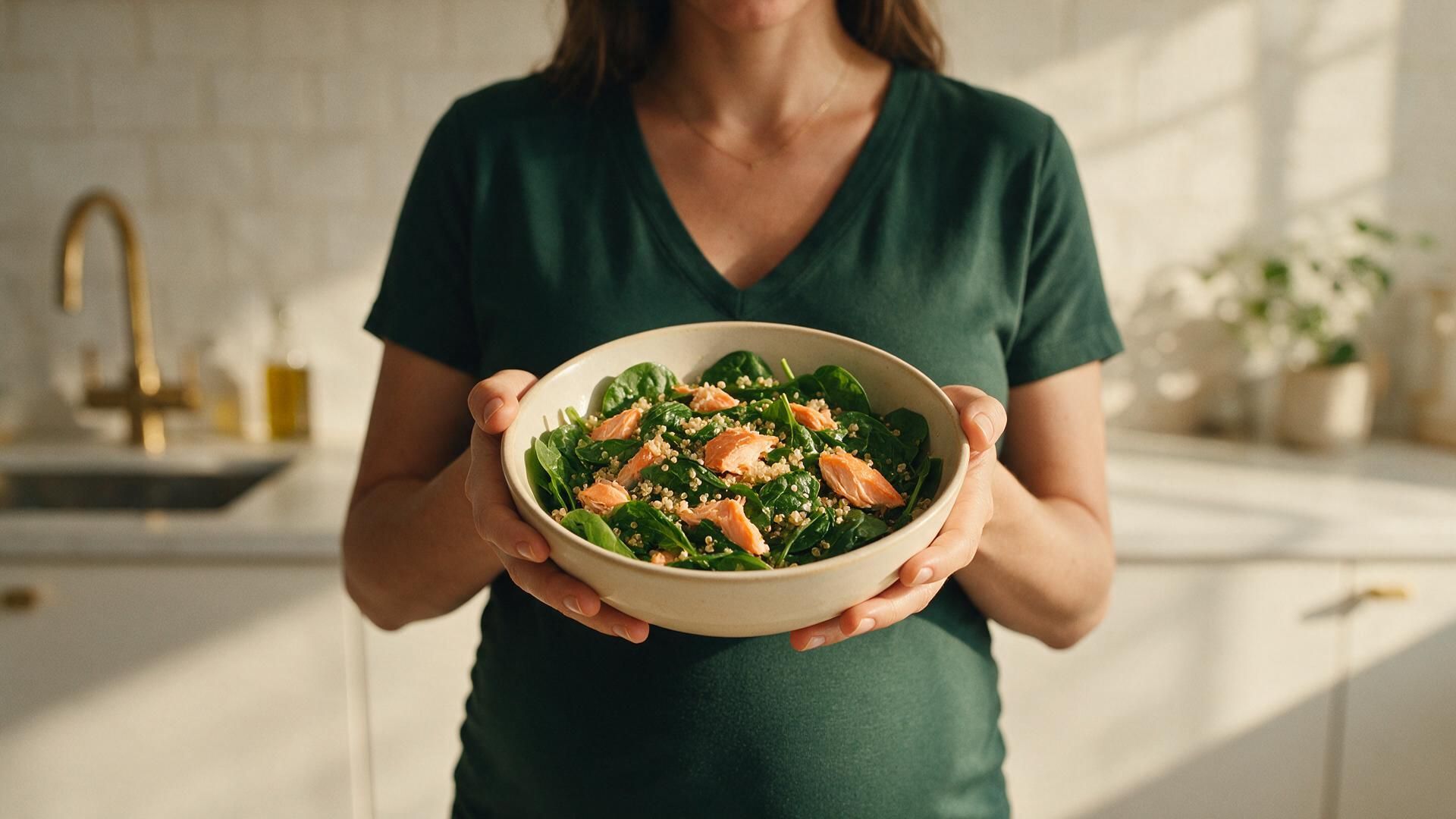
During pregnancy you don't need to "eat for two", but some nutrients matter much more. Here is a simple overview. Always follow the advice of your midwife or doctor, as recommendations vary by country and by person.
Before and in the first trimester
- Folic acid: usually 400 micrograms a day from before conception until 12 weeks, to lower the risk of neural tube defects. Some people are advised a higher dose.
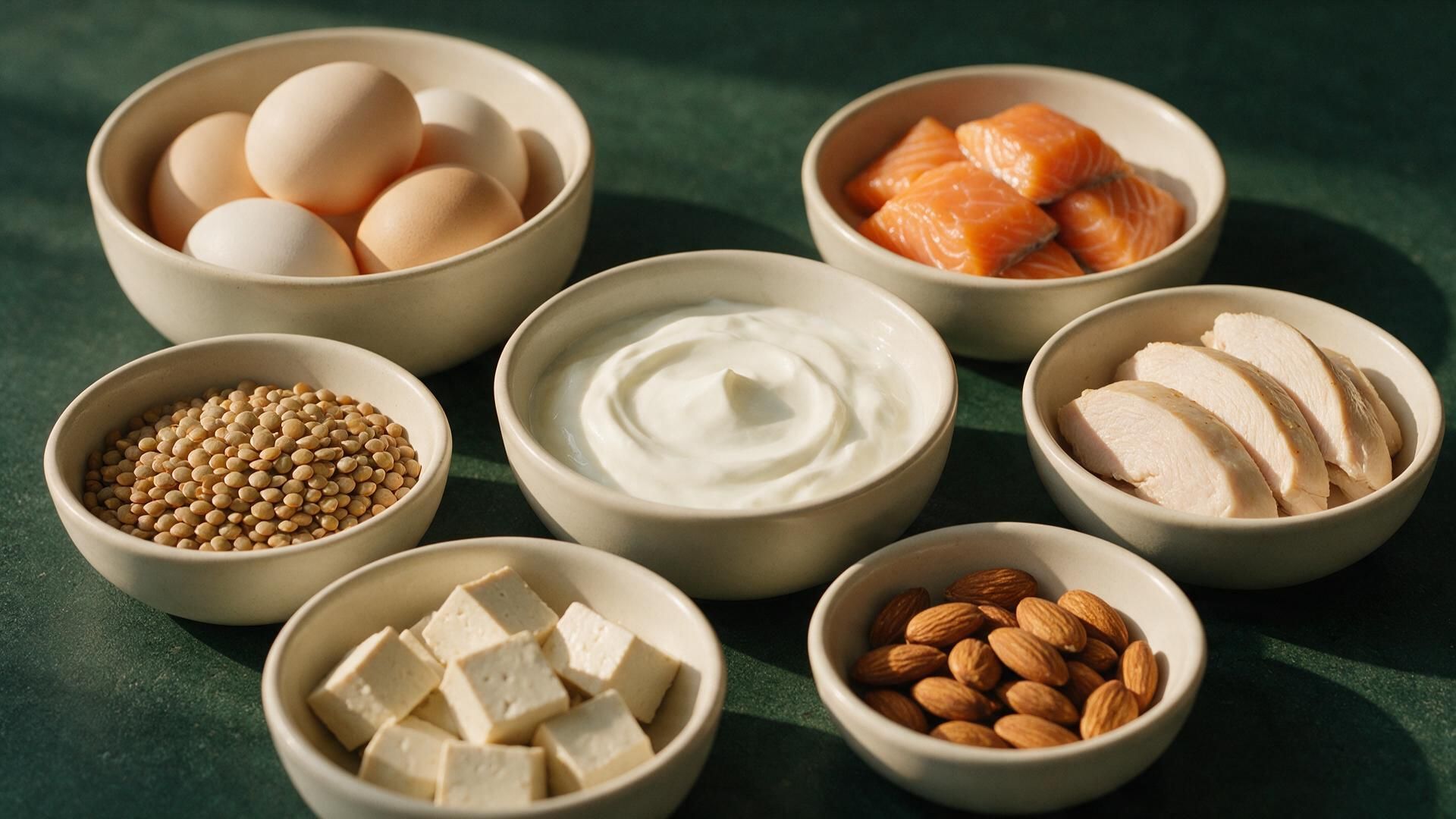
- Iodine: important for the baby's brain. Dairy, eggs and fish provide it; many prenatal supplements include it.
- No extra calories are needed yet. Focus on regular, simple meals if nausea is a problem.
Second trimester
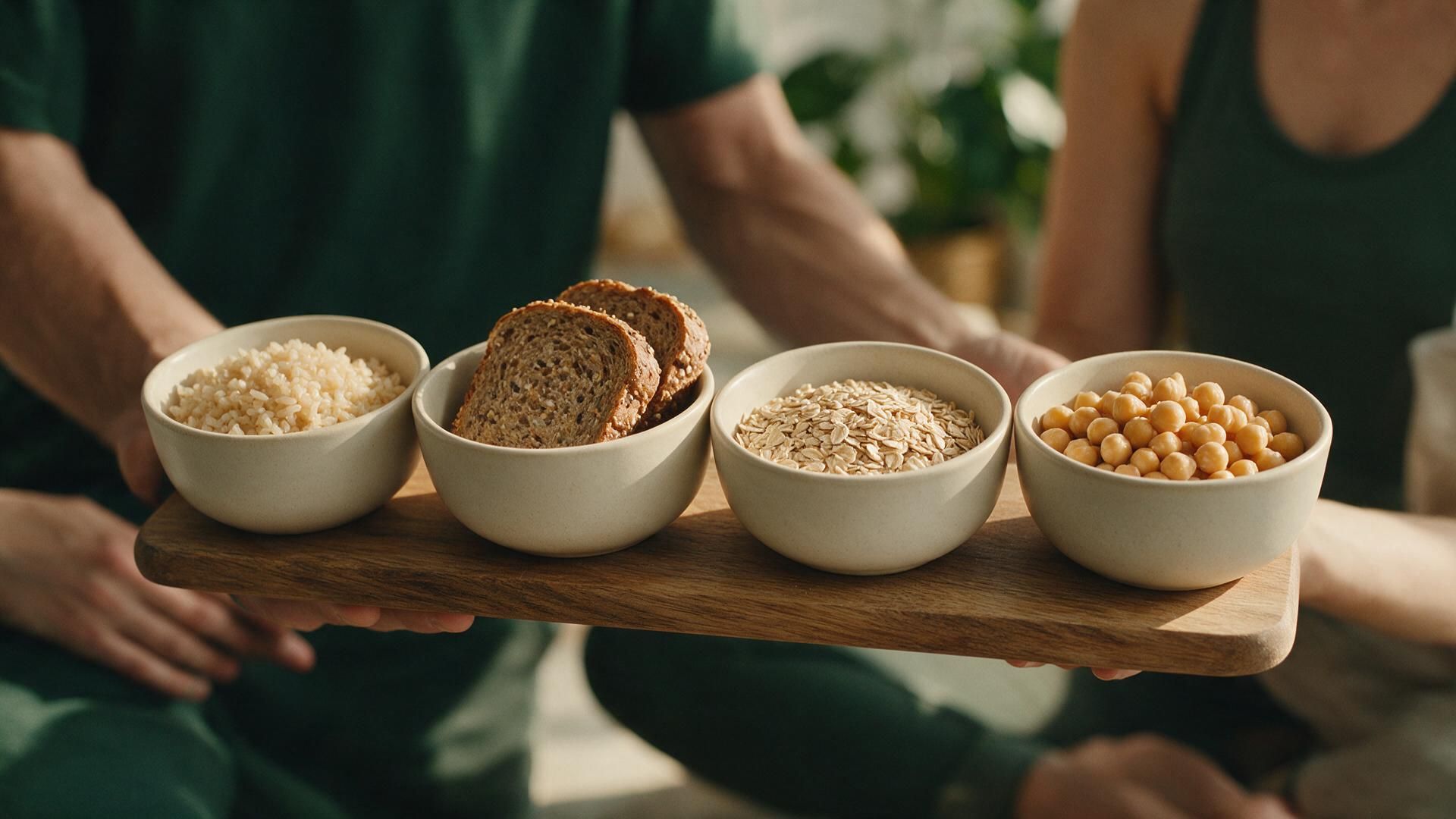
- Extra energy: about 340 kcal a day, like a yogurt with fruit and a slice of wholegrain toast.
- Iron: needs rise sharply. Lean red meat, beans, lentils, tofu and leafy greens help; pair plant iron with vitamin C.
- Calcium and vitamin D for the baby's bones.
Third trimester
- Extra energy: about 450 kcal a day.
- DHA (omega-3) for the baby's brain and eyes: 1–2 portions of low-mercury oily fish a week, like salmon or sardines.
- Choline from eggs, fish and meat supports brain development.
- Fiber and water help with constipation.
Foods to avoid
- Raw or undercooked meat, eggs and fish (including some sushi).
- Unpasteurised milk and soft mould-ripened cheeses.
- High-mercury fish such as shark, swordfish and marlin.
- Alcohol.
- Keep caffeine under about 200 mg a day (around two cups of instant coffee).
No dieting or fasting
Pregnancy is not the time for weight-loss diets or fasting. Nouri's pregnancy targets never include a calorie deficit.
See your pregnancy targetsOpen the calculator
General information, not medical advice. Check with a healthcare professional about your own situation.